
If you want to master rose lily care, you need to understand that these stunning flowers require clean and lukewarm water, a fresh angled stem cut, and a cool spot away from direct sunlight to stay fresh for up to two weeks. I have spent years working as a floral designer, and I can tell you that the Roselily is one of the most magnificent flowers you will ever bring into your home. These breathtaking hybrids combine the layered, romantic petals of a classic rose with the elegant, star-shaped structure of an oriental lily. Best of all, they are entirely pollen-free.
Whether you just received a beautiful bouquet delivery or you are planning to plant some bulbs in your garden this Fall, proper care makes all the difference. I am going to walk you through everything you need to know about keeping these unique flowers vibrant. We will cover step-by-step hydration, common mistakes to avoid, and crucial pet safety facts.
Personal Pro-Tip: Before you even put your new flowers in a vase, scrub the glass with soap and hot water from the faucet. Bacteria is the number one enemy of fresh cut flowers.
Quick Facts for Skimmers: The Floral Cheat Sheet
If you are in a rush and just want the basics before you trim your bouquet, here is a quick reference table.
| Care Factor | Ideal Conditions |
| Average Vase Life | 10 to 14 days with proper water changes. |
| Water Needs | High. Change the water every two days and use floral food. |
| Sunlight (Cut) | Indirect light. Keep away from hot windows and direct sun. |
| Sunlight (Garden) | Full morning sun with partial afternoon shade. |
| Toxicity | Highly toxic to cats. Keep completely out of reach. |
| Best Occasions | Weddings, Mother’s Day, anniversaries, and romantic gifting. |
What exactly is a Roselily?
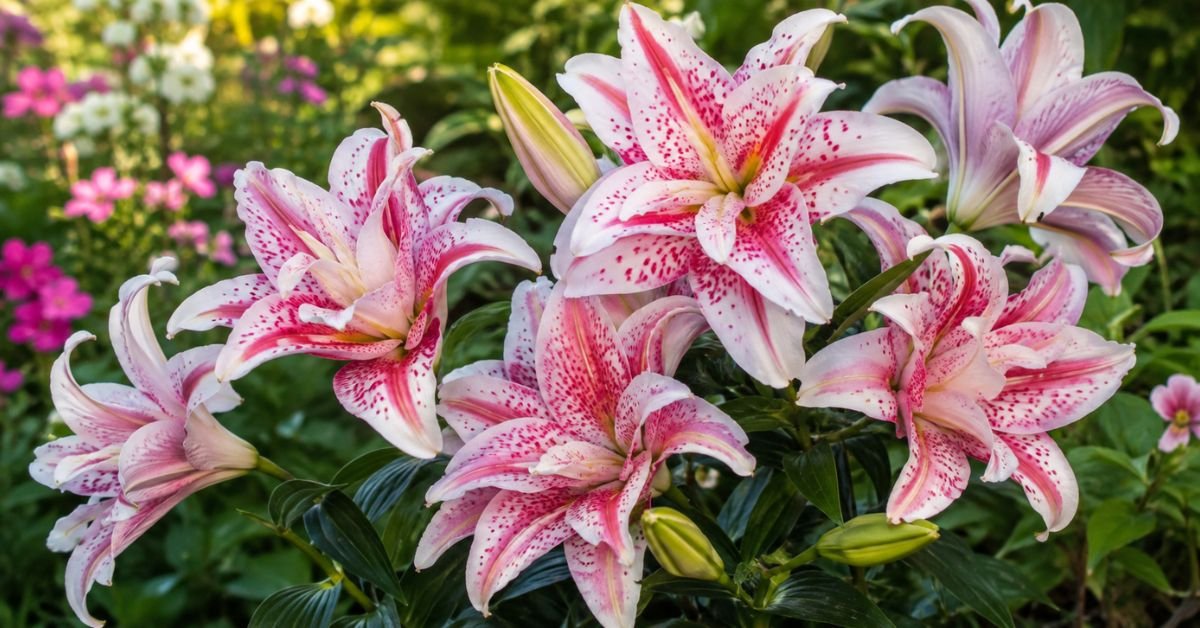
Many people confuse the name. Sometimes people use the term to describe a mixed floral arrangement featuring both traditional roses and standard lilies. However, a true Roselily is a specific type of double oriental lily. Plant breeders developed them to have multiple layers of petals. This gives them a lush and ruffled appearance that closely mimics a garden rose in full bloom.
They also lack the messy pollen anthers found in standard lilies. This means you never have to worry about orange pollen staining your tablecloths, clothes, or the flower petals themselves. They carry a light and sweet fragrance that is much less overpowering than traditional oriental lilies, making them a favorite for sensitive noses.
Personal Pro-Tip: Because they do not drop pollen, Roselilies are my absolute favorite choice for bridal bouquets and dining table centerpieces where cleanliness is a priority.
Fresh Cut Floral Care: Maximizing Your Bouquet’s Lifespan
Getting the most out of your fresh arrangement requires a little bit of prep work. You cannot just drop the stems into water and hope for the best.
First, fill a clean vase with lukewarm water. Warm water moves up the stems faster than cold water. Add the packet of floral preservative that came with your delivery. If you do not have one, you can mix a teaspoon of sugar and a few drops of bleach into the water to feed the blooms and fight off bacteria.
Next, take a sharp knife or a clean pair of floral shears. Cut about one inch off the bottom of each stem at a 45-degree angle. This angled cut prevents the stem from sitting flat against the bottom of the vase, which would block water absorption. Strip away any lower leaves that will fall below the water line. Leaves left in the water will rot, smell terrible, and drastically shorten the life of your flowers.
Finally, place the vase in a cool spot. US homes with central heating or heavy air conditioning can dry out delicate petals quickly. Keep your arrangement away from active AC vents, radiators, ceiling fans, and direct sunlight.
Personal Pro-Tip: I like to re-cut the stems by about half an inch every time I change the water. It opens up fresh capillaries and helps the flowers drink effectively.
Outdoor Gardening and Potted Plant Care
If you want to grow these beauties in your own yard, they are surprisingly resilient. In the United States, Roselily bulbs perform beautifully in USDA Hardiness Zones 3 through 9. They require a period of cold winter dormancy to produce blooms the following year.
Plant your bulbs in the Spring or Fall. Dig a hole about six inches deep and space the bulbs a foot apart. They prefer well-draining soil because sitting in soggy, waterlogged mud will cause the bulbs to rot. They love having their “heads” in the sun and their “feet” in the shade. You can achieve this by planting low-growing companion plants around their base to keep the soil cool while the tall stems reach up for the sunlight.
If you are growing them in a pot on an apartment balcony, make sure the container has excellent drainage holes. Potted lilies require more frequent watering than garden lilies. Check the soil daily during the hot summer months.
Personal Pro-Tip: Apply a layer of organic mulch over the planting area in late Fall. This protects the bulbs from extreme freezing temperatures during harsh winters.
Common Rose Lily Care Mistakes to Avoid
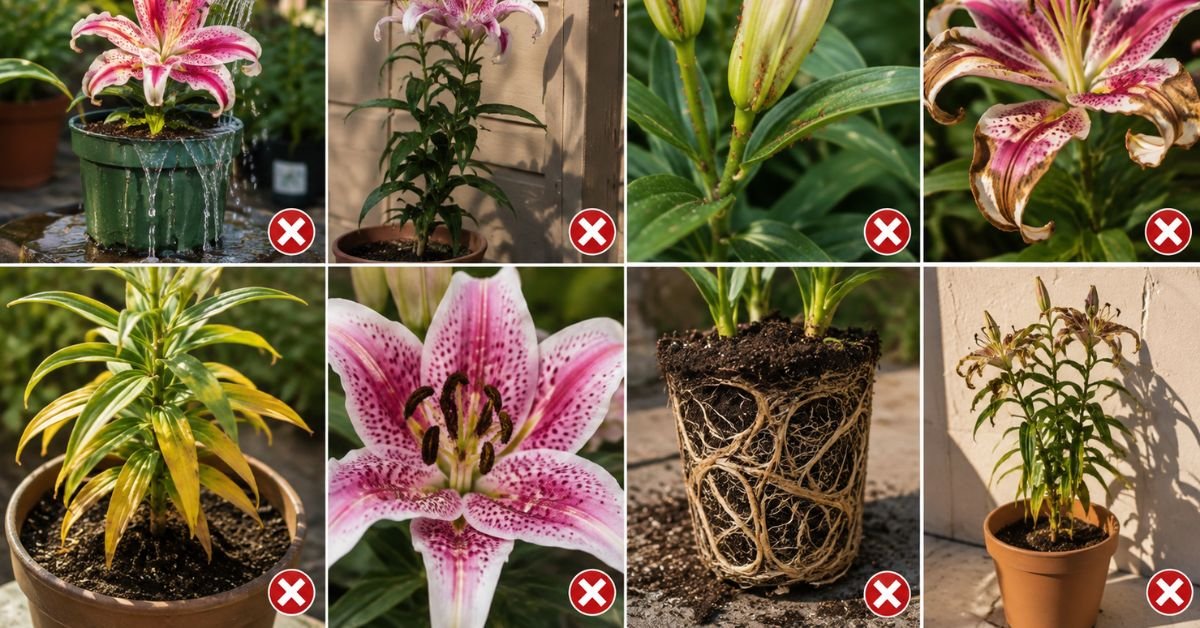
Even experienced gardeners sometimes make simple errors that ruin their beautiful blooms. The most frequent mistake I see is overcrowding the vase. Roselilies have massive flower heads that need physical space to open up. If you jam too many stems into a narrow vase, the petals will crush against each other and bruise.
Another huge mistake is placing the vase in the kitchen near a fruit bowl. Ripening fruits like apples, bananas, and avocados release ethylene gas. This invisible gas acts as an aging hormone for cut flowers and will cause your beautiful arrangement to wilt days before it should.
Lastly, many people forget to check the water level. These large flowers are incredibly thirsty. A freshly cut stem can easily drink several inches of water in a single day. If you neglect the vase for 48 hours, you might find it completely dry.
Personal Pro-Tip: Wash your hands before handling the flower heads. The natural oils on human skin can actually bruise the delicate edges of the white or pink petals.
Rose Lily Care Troubleshooting: Wilting Petals and Drooping Stems
Sometimes things go wrong despite your best efforts. If you notice your stems drooping heavily over the edge of the vase, they are likely suffering from an air bubble in the stem or bacterial blockage. To fix this, remove the flower from the vase. Cut two inches off the bottom of the stem while holding it underwater in a basin. This forces water into the stem instead of air. Place it back into a freshly cleaned vase with new water, and it should perk up within a few hours.
If the leaves are turning yellow but the flower looks fine, you might be exposing the arrangement to too much heat or direct sunlight. Move the vase to a darker and cooler room. Yellowing leaves can also indicate that the floral food mixture is too highly concentrated. Try diluting the vase water.
Are the flower buds refusing to open? They might be too cold. If you bought flowers that were stored in a floral cooler, placing them in a warm room with plenty of indirect light will encourage those tight green buds to finally pop open.
Personal Pro-Tip: If a few outer petals look bruised or brown, gently peel them away from the base. The inner petals are usually pristine, and the flower will still look full and gorgeous.
Rose Lily Care and Pet Safety
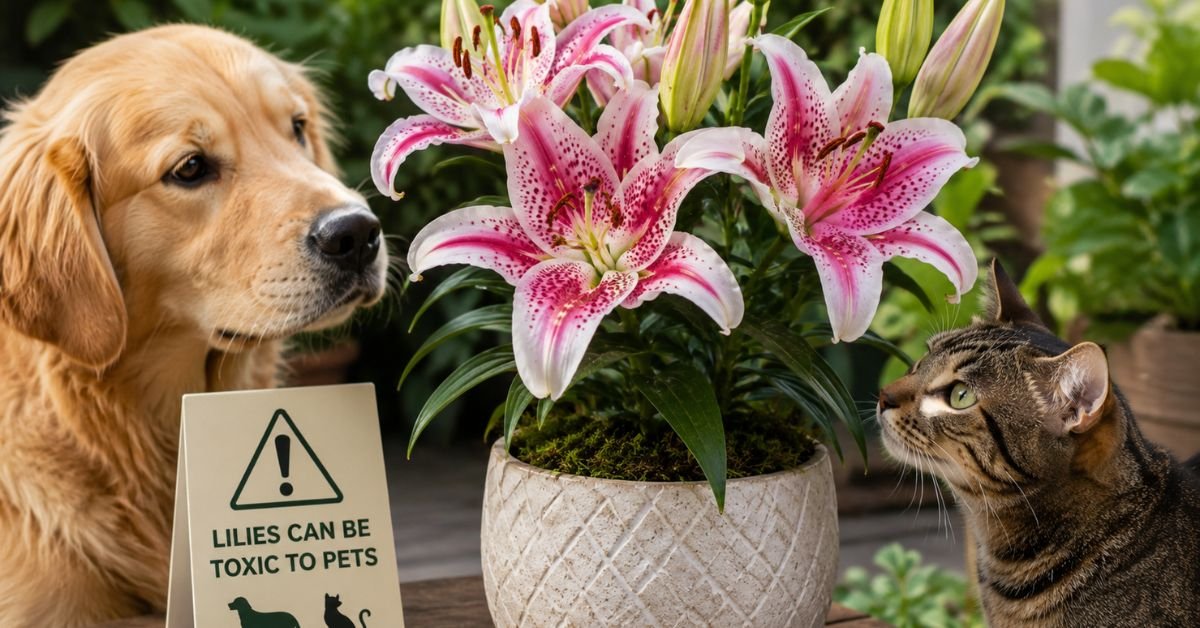
This is the most critical section of this guide. According to the ASPCA and veterinary experts, true lilies are extremely toxic to cats.
Even a tiny amount of exposure can cause severe kidney failure in felines. This includes chewing on a leaf, biting a petal, or even taking a drink from the vase water. While Roselilies do not have the messy pollen that cats typically brush against and lick off their fur, the plant tissues themselves remain highly poisonous.
If you own a cat, it is best to avoid bringing any type of lily into your home. Opt for safe alternatives like roses, sunflowers, or orchids instead. Dogs are less sensitive to lilies, but eating the plant can still cause them mild stomach upset and discomfort.
Personal Pro-Tip: If you suspect your cat has ingested any part of a lily or drank the vase water, treat it as a medical emergency. Call your veterinarian or the Pet Poison Helpline immediately.
The Perfect Occasion and Gifting Guide
These luxurious flowers make an unforgettable impression. Because they look like oversized, exotic roses, they carry a deep sense of romance. This makes them a phenomenal choice for Valentine’s Day and wedding anniversaries.
They are also incredibly popular for Mother’s Day. A massive bouquet of pink Roselilies feels much more special and unique than a standard dozen red roses. During the Thanksgiving season, white varieties mix beautifully into autumn centerpieces alongside pumpkins and deep red foliage.
If you want to send a memorable gift, our team at flowerhub.pro can help you find stunning, fresh arrangements. Sending a pollen-free bouquet shows that you put extra thought into the recipient’s comfort and home cleanliness.
Personal Pro-Tip: When gifting these blooms, I always attach a small handwritten note mentioning that they are pollen-free. Recipients are always thrilled to learn they will not have to vacuum up orange dust.
Rose Lily Care FAQs
Q1: How long do rose lilies last in a vase?
With proper care, they typically last between 10 and 14 days. Changing the water every other day and giving the stems a fresh cut will maximize their lifespan.
Q2: Do rose lilies have a strong smell?
They have a very pleasant and light fragrance. It is much softer and less overwhelming than the heavy, spicy scent of traditional oriental lilies.
Q3: Are rose lilies poisonous to dogs and cats?
Yes, they are severely toxic to cats and can cause fatal kidney failure. They are non-fatal but mildly toxic to dogs, causing stomach upset if eaten.
Q4: Do rose lilies have pollen?
No, true Roselilies are bred to be completely pollen-free. You will not find the messy orange anthers that stain clothes and furniture.
Q5: Can I grow rose lilies indoors as houseplants?
They are very difficult to keep as permanent indoor houseplants. They require a natural winter chill to bloom again, making them better suited for outdoor gardens.
Q6: Why are the buds on my lilies not opening?
Tight buds usually mean the flower is too cold or lacks light. Move your vase to a warmer room with bright, indirect sunlight to encourage them to open.
Q7: Do you put lilies in warm or cold water?
Always start with lukewarm water. Warm water is absorbed much faster by the stems, helping dehydrated flowers perk up rapidly.
Personal Pro-Tip: Keep a digital copy of these FAQs saved on your phone if you frequently buy fresh flowers. It is a great quick-reference guide when you are standing at the kitchen sink.
Final Thoughts on Keeping Your Arrangements Vibrant
Caring for these exquisite blooms is deeply rewarding, and rose lily care makes it possible to enjoy their beautiful transformation from tight buds into massive, ruffled blooms. With proper rose lily care, you can keep the flowers fresh, fragrant, and attractive for much longer. The lack of pollen combined with their soft fragrance makes them a truly perfect house guest. Good rose lily care means keeping the water fresh, giving the stems a clean trim, and following important pet safety rules.
I hope this rose lily care guide helps you get the absolute most out of your next bouquet. If you have any fun stories about growing these flowers in your garden or arranging them for a special event, drop a comment below. If you are looking to treat yourself or surprise someone you love, take a moment to explore the fresh collections on flowerhub.pro right now.
Personal Pro-Tip: Take a photo of your arrangement on day one and another on day five. You will be amazed at how much the blooms expand and change shape as they mature. This simple habit can also help you see how effective your rose lily care routine is.