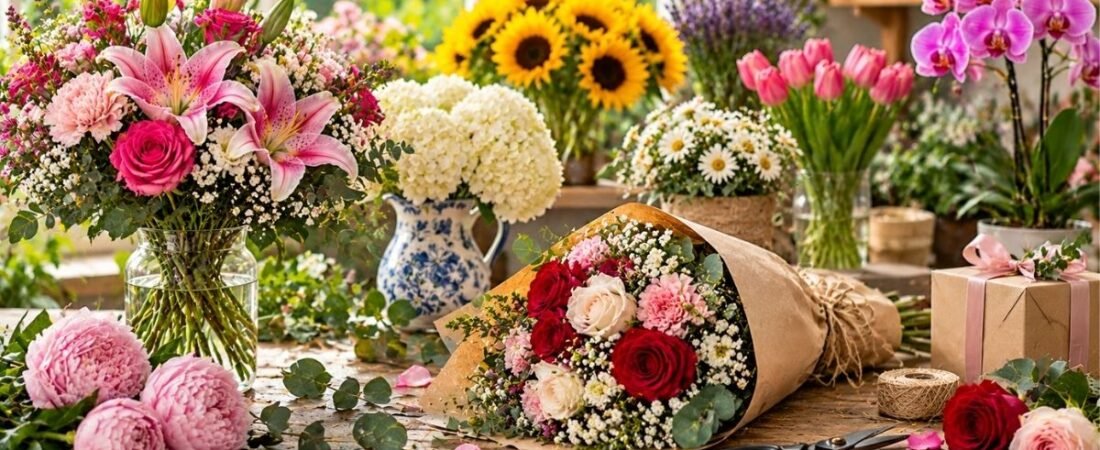
What is the secret to keeping beautiful flowers looking fresh and vibrant for days on end? The answer is a mix of bacteria-free water, a strict 45-degree stem trim, and keeping them far away from your home heating and air conditioning vents.
I have spent years working as a floral designer here in the US. I know exactly how heartbreaking it is when a costly, stunning arrangement wilts just two days after bringing it home. People constantly ask me how to keep their floral investments alive longer, whether they are growing them in their backyard gardens or displaying a freshly delivered bouquet on their kitchen island. Today, I am sharing everything I know about selecting, preserving, and gifting the most breathtaking blooms.
Quick Care Facts for Beautiful Flowers
If you need fast facts before heading to the florist or planting your spring garden, keep this chart handy.
| Flower Type | Average Vase Life | Water Needs | Light Preference (Outdoor) | Best Occasions & Gifting |
| Peony | 5 to 7 days | Moderate, cool water | Full Sun (USDA Zones 3-8) | Spring Weddings, Mother’s Day |
| Hydrangea | 7 to 10 days | High, very warm water | Morning Sun, Afternoon Shade | Sympathy, Summer Birthdays |
| Ranunculus | 10 to 14 days | Low, shallow cool water | Full Sun (USDA Zones 8-10) | Romantic Gifts, Anniversaries |
| Orchid (Cut) | 14 to 21 days | Moderate, room temp | Filtered Light / Bright Shade | Corporate Gifts, Housewarmings |
| Garden Rose | 4 to 7 days | High, room temp | Full Sun (USDA Zones 5-10) | Valentine’s Day, Anniversaries |
Spotlighting 4 Breathtaking Blooms (And How to Keep Them Alive)
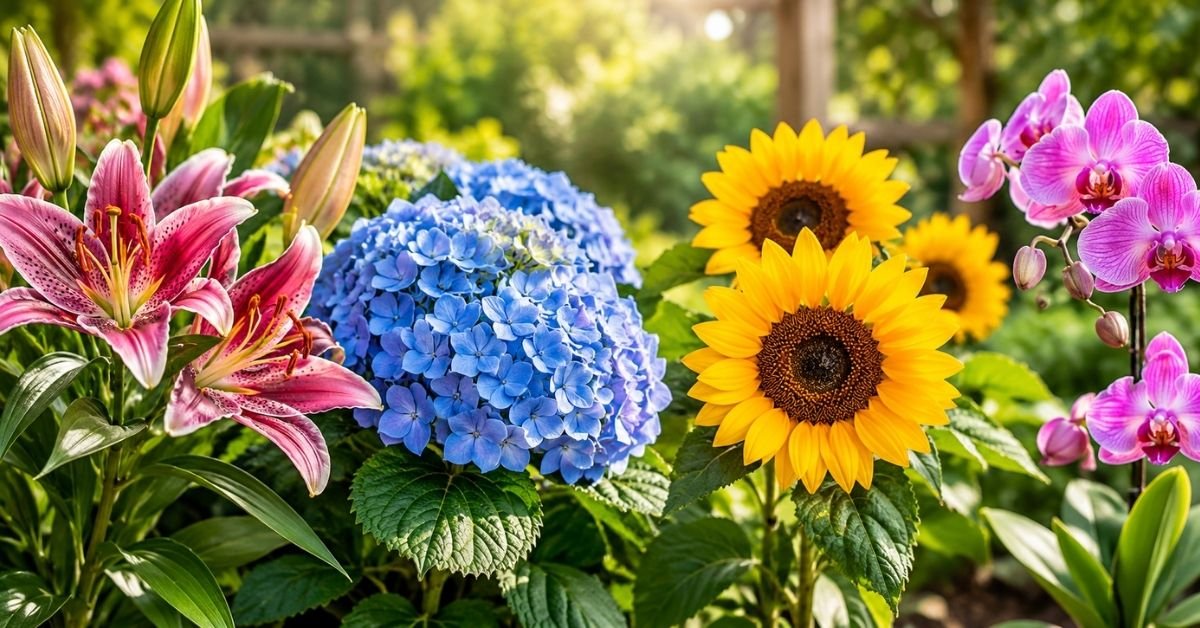
There are thousands of species out there, but as a floral designer, I find myself reaching for a specific few when a client asks for something truly spectacular. Here is a closer look at my absolute favorites and the exact care routines they demand.
1. The Peony: Spring’s Most Coveted Floral Experience
The Peony is often considered the undisputed queen of spring. They offer massive, ruffled heads that can reach the size of a dinner plate when fully open. If you are planting them outdoors, they thrive in USDA Hardiness Zones 3 through 8. They actually require a hard winter chill to produce those legendary blooms in May and June.
When buying them as cut flowers, they arrive in tight little balls known as “marshmallows.” Do not panic if they look small upon delivery. Trim the stems, place them in room-temperature water, and they will explode into color within 48 hours.
Personal Pro-Tip: If your Peonies are refusing to open for a big event, gently massage the green base of the flower head with your thumb and index finger. Then, place them in slightly warm water. They will pop open in just a few hours.
2.Hydrangeas: The Water-Loving Floral Showstoppers
Nothing fills out a beautiful flower arrangement quite like a Hydrangea. Their globe-like clusters of petals come in shades of blue, pink, purple, and white. In the garden, their color often depends on the acidity of your soil.
Indoors, they are notoriously dramatic. The word “Hydra” literally means water, and these blooms drink massive amounts of it. A common misconception is that they only drink through their stems. Hydrangeas actually absorb moisture right through their petals.
Personal Pro-Tip: I lightly mist my Hydrangea petals with a spray bottle every single morning. It keeps the blooms looking crisp and prevents that dreaded mid-week slump.
3.Ranunculus: A Long-Lasting Alternative for Your Beautiful Flower Bouquet
If you want the romantic, multi-petaled look of a rose but desire something a bit more whimsical, the Ranunculus is your best bet. They have tissue-thin petals wrapped tightly in a spiral. They come in incredibly saturated colors, from deep burgundy to vibrant coral. You only need about two inches of water in your vase.
Personal Pro-Tip: Because their stems are so fragile, I use a very sharp, unserrated knife to cut Ranunculus stems rather than floral shears. Shears can crush the hollow stem and block water absorption.
4.
While most people think of Orchids as potted houseplants, cut Orchid stems are a staple in luxury floral design. A single stem can feature eight to twelve perfect blooms and will easily outlast almost every other flower in your vase.
They do not like freezing drafts or blasting heat. Keep them away from drafty windows and hot radiators.
Personal Pro-Tip: When arranging cut Orchids, do not throw away the little water tubes they arrive in. If you are building a wide, shallow arrangement, you can keep the Orchids in those tubes and bury the tubes in the foliage to ensure they stay hydrated from any angle.
Common Mistakes Ruining Your Beautiful Flower Arrangements
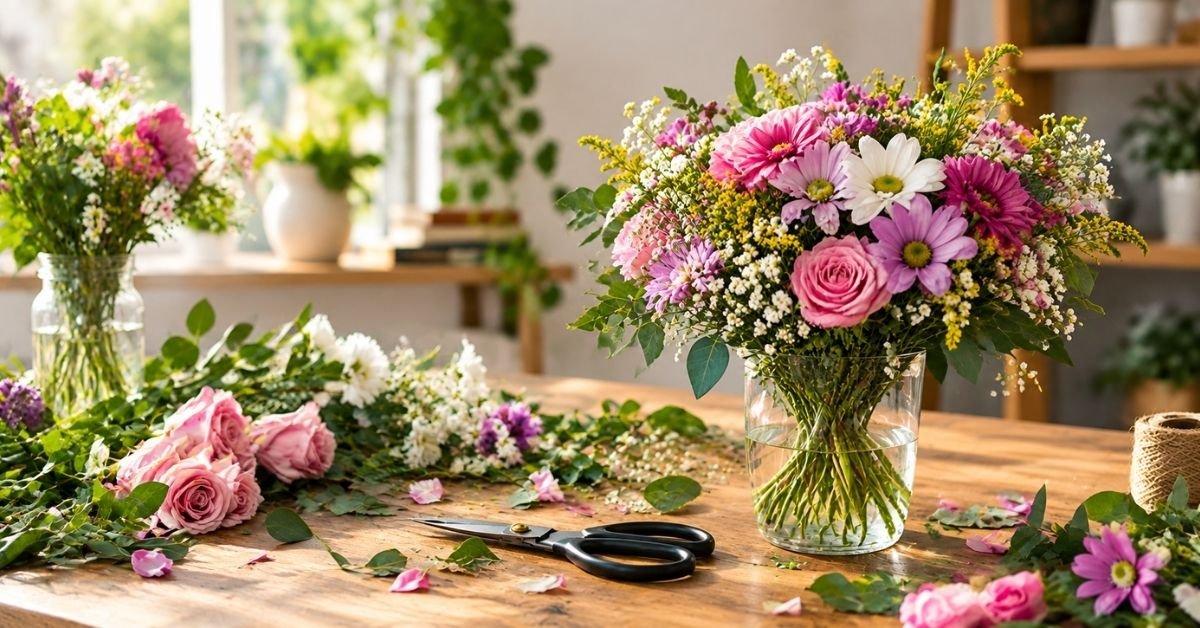
I have seen countless expensive bouquets meet a tragic, early end. Almost every premature floral death comes down to a few very avoidable mistakes.
Leaving Foliage Below the Waterline
This is the number one killer of fresh blooms. When leaves sit in water, they begin to rot within 12 hours. Rotting leaves create a massive bacteria bloom in your vase. That bacteria travels up the stem, clogs the flower’s vascular system, and causes the bloom to suffocate and wilt. Always strip every single leaf that falls below the rim of your vase.
Using the Wrong Water Temperature
Most people fill their vase straight from the cold faucet. While spring bulbs like Tulips and Daffodils love freezing cold water, woody stems like Roses and Hydrangeas actually prefer room temperature or slightly warm water. Warm water moves up the stem faster, hydrating the heavy flower head more efficiently.
The Air Conditioning and Heating Trap
We love our climate control here in the US. Your flowers absolutely hate it. Placing a vase directly under a blasting AC vent will dry out the petals immediately. Sitting them next to a winter heating vent will cause them to aggressively open and drop their petals in a single day. Find a neutral, draft-free spot on a table or counter.
Forgetting to Feed Them
That little packet of flower food strapped to your bouquet is not a gimmick. It contains three vital ingredients. It has a biocide to kill bacteria, a gentle acid to lower the pH of your tap water, and sugar to feed the blooms. Use it.
Troubleshooting: Reviving Drooping Stems on Fresh Flower Bouquets
Do not throw away your arrangement at the first sign of a droop. Most flowers can be resurrected with a little floral first aid.
The Rose Neck Droop
When a Rose head nods over and looks directly at the table, it has an air bubble trapped in its stem.
- Remove the Rose from the arrangement.
- Fill a bowl with warm water.
- Submerge the bottom half of the stem in the water and cut two inches off the bottom while it is fully underwater.
- Leave it in deep, warm water for an hour. The hot water pushes the air bubble out, and the head will snap back to attention.
The Hydrangea Boiling Water Trick
Hydrangeas produce a sticky sap at the base of their stems when cut, which acts like a scab and blocks water. If your Hydrangea looks deflated, boil a cup of water on the stove. Carefully trim an inch off the woody stem and immediately dip the bottom two inches of the stem into the boiling water for exactly ten seconds. Move it directly back to a vase of room-temperature water. It will fully revive in about three hours.
Pet Safety and Toxicity Warning
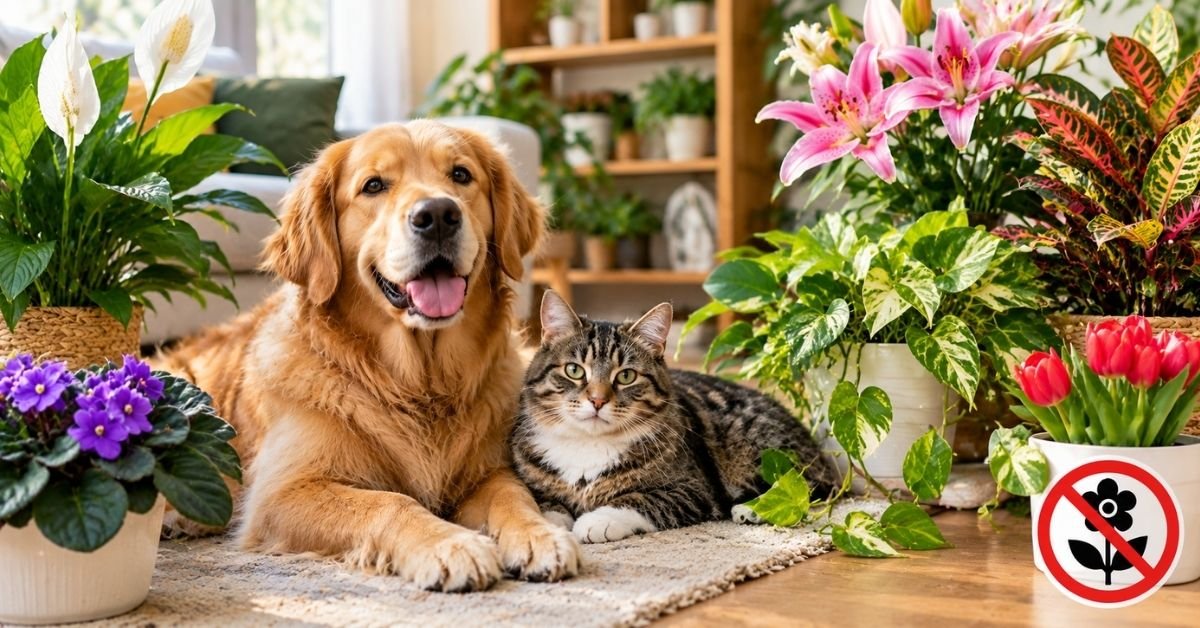
We love our pets just as much as we love our gardens. It is crucial to know that some of the most stunning flowers are highly dangerous to animals.
According to the ASPCA, true lilies (like Stargazer, Tiger, and Easter Lilies) are severely toxic to cats. Even brushing against the pollen and grooming it off their fur can cause fatal kidney failure in felines. If you have cats, do not bring true lilies into your home under any circumstances.
Toxic to Cats and Dogs:
- Tulips (especially the bulbs)
- Peonies (mildly toxic, causes stomach upset)
- Hydrangeas (contains cyanide-producing compounds if eaten in large amounts)
- Daffodils
100% Pet-Safe Beautiful Flowers:
- Sunflowers
- Snapdragons
- Freesia
- Roses
- Orchids
Always double-check the ASPCA toxic plant list before ordering a delivery if the recipient has curious pets at home.
Occasion and Gifting Advice for Floral Design
Knowing which flowers to send, and when to send them, is an art form. You want your gift to match the tone of the event perfectly.
Valentine’s Day and Anniversaries
Red roses are the classic US standard, but they can feel a bit predictable. I love mixing deep red garden roses with burgundy Ranunculus and trailing green ivy for a moody, romantic, and highly textured look.
Mother’s Day
Spring is at its peak during Mother’s Day. This is the time to go heavy on Peonies, bright pink Tulips, and fragrant Lilac branches. These blooms feel fresh, maternal, and joyful.
Thanksgiving and Fall Hostess Gifts
Step away from pastels. Lean into the deep, rich tones of autumn. Rust-colored Dahlias, bronze cushion mums, and even elements like dried wheat or hypericum berries make a Thanksgiving table look incredibly inviting.
When you want to send a gift that guarantees a reaction, you need a source you can trust. I always recommend finding a service that prioritizes farm-fresh stems and modern design. Platforms like flowerhub.pro make it incredibly easy to select the perfect arrangement for any of these occasions, ensuring your gift arrives looking exactly as lush and vibrant as you intended.
Frequently Asked Questions About Beautiful Flowers
Q1: How do I make my fresh cut beautiful flowers last longer?
Keep them away from direct sunlight, trim the stems at a 45-degree angle every two days, and ensure no leaves are touching the vase water. Clean water is the ultimate secret to longevity.
Q2: What is the best temperature for vase water?
The best water temperature for most cut flowers is room temperature, around 65 to 72 degrees Fahrenheit. Spring bulb flowers prefer ice-cold water, while woody stems like lilacs prefer warm water.
Q3: Are pennies or bleach good for flower water?
Dropping a copper penny in water is an old myth and does not significantly stop bacteria. A single drop of household bleach can keep water clean, but commercial floral food packets are perfectly balanced and much safer to use.
Q4: What are the most popular beautiful flowers for a US summer wedding?
Summer weddings heavily feature Peonies (in early summer), Garden Roses, Dahlias, and Hydrangeas. These blooms offer large, romantic textures that photograph beautifully in natural light.
Q5: Why do my roses droop after just one day?
Premature drooping is usually caused by an air bubble trapped inside the stem or bacteria clogging the base. Re-cut the stem underwater and place it in warm water to clear the blockage.
Q6: Which beautiful floral arrangements are 100% safe for cats?
Arrangements featuring Roses, Sunflowers, Snapdragons, and Orchids are entirely safe for cats. Always ask your florist to explicitly exclude any lilies or greenery like eucalyptus, which can be toxic.
Q7: How often should I change the water in my vase?
You should completely dump out the old water, wash the vase with soap, and add fresh water every two to three days. Simply topping off old, cloudy water will not stop bacterial growth.
Final Thoughts on Bringing Beautiful Flowers Indoors
There is a quiet, powerful joy in filling your space with nature. Whether you are treating yourself to a simple bundle of ranunculus from the weekend farmer’s market or sending a massive luxury arrangement across the country to someone you love, blooms have a way of speaking when words fall short.
Taking care of them does not require a degree in horticulture. It just takes a little bit of attention, a clean vase, and an understanding of what these living things need to keep putting on their show.
I would love to hear about your own floral experiences. What is the most beautiful flower arrangement you have ever received, or what is the one bloom you just cannot seem to keep alive? Drop a comment below, ask any care questions you have, or head over to flowerhub.pro to find the perfect fresh stems for your kitchen table this week!